A Guide to Vegan Food for Cat Nutrition and Diet
Category : deleci | Sub Category : deleci Posted on 2023-10-30 21:24:53
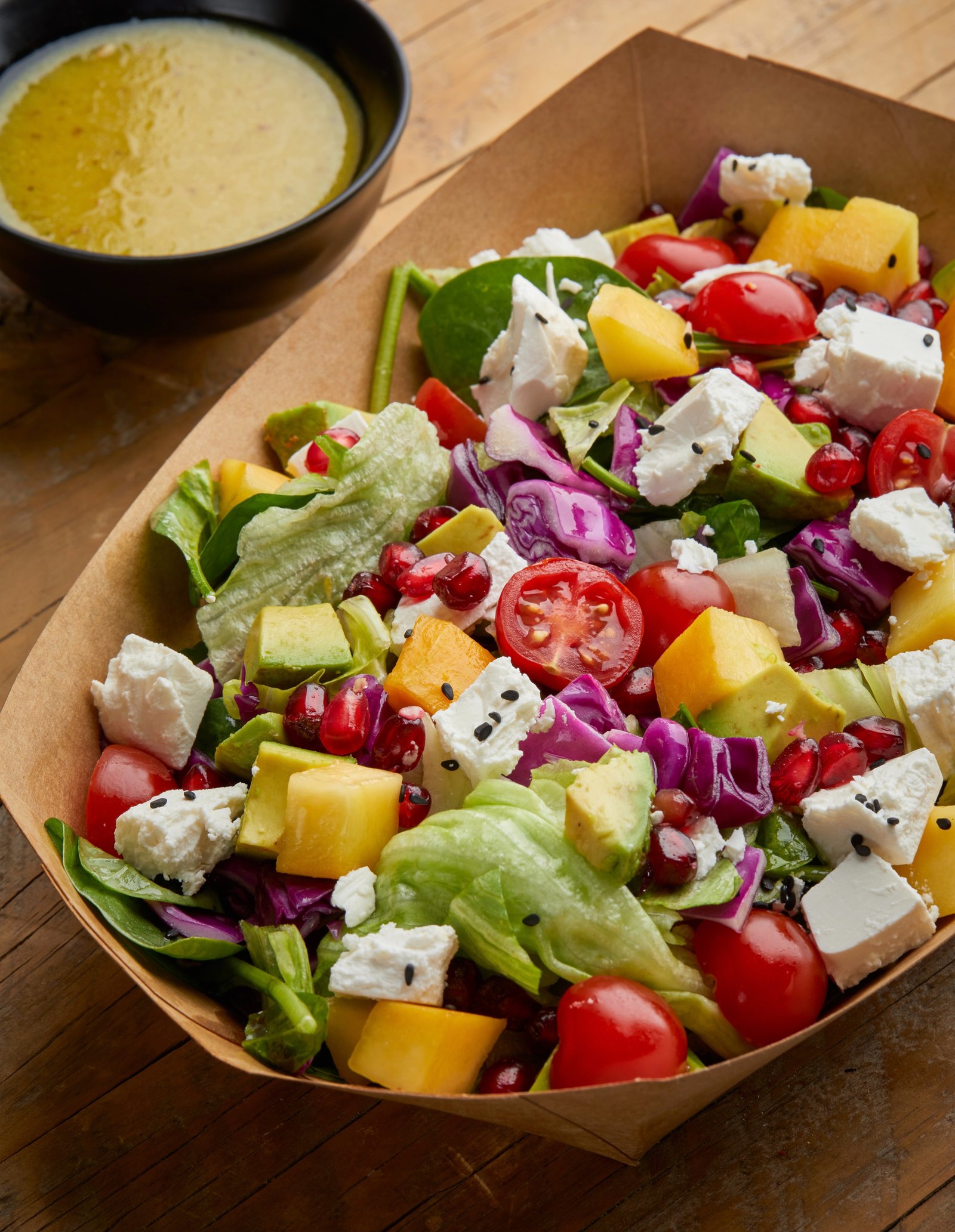
Introduction: In recent years, the popularity of veganism has extended beyond the human diet and into the world of pet nutrition. As more pet owners adopt a vegan lifestyle, questions arise about whether cats, traditionally carnivorous animals, can thrive on a vegan diet. In this blog post, we will explore the topic of vegan food for cat nutrition and diet, providing insights and considerations for those considering a plant-based approach for their feline companions. Understanding Cat Nutrition: Before we delve into the specifics of vegan cat food, it's crucial to understand the nutritional needs of cats. Cats are obligate carnivores, meaning they require certain nutrients, such as taurine, arachidonic acid, and vitamin A, that are primarily found in animal-based sources. These nutrients play critical roles in a cat's metabolism, vision, immune system, and overall well-being. Plant-Based Alternatives: While it is challenging to mimic the exact nutritional profile of animal-based diets, some cat food companies have embarked on creating plant-based alternatives. These vegan cat foods may include ingredients like soy protein, corn, peas, and whole grains to provide the necessary protein, carbohydrates, and essential nutrients. Supplementation and Fortification: To address the nutrient deficiencies associated with a strictly plant-based diet for cats, supplementation and fortification play a vital role. Vegan cat food manufacturers often add synthetic taurine, omega-3 fatty acids, vitamin A, and other essential nutrients to ensure a comprehensive nutritional profile. However, it is crucial to consult with a veterinarian to ensure that these supplements are appropriate for your cat's specific needs. Consulting with a Veterinarian: When considering a vegan diet for your cat, it is essential to consult with a veterinarian who specializes in feline nutrition. A professional veterinarian can evaluate your cat's individual needs, conduct blood tests, and provide tailored guidance and advice on the best approach for your feline friend. Transitioning to a Vegan Diet: If your veterinarian approves a vegan diet for your cat, it is crucial to transition gradually. Cats have delicate digestive systems, and sudden dietary changes can lead to gastrointestinal upset. Begin by mixing small amounts of vegan cat food with their current diet and gradually increase the proportion over several weeks. Monitor their weight, energy levels, and overall health during this transition period. Monitoring and Adjusting: After transitioning your cat to a vegan diet, it is important to closely monitor their health and well-being. Regular veterinary check-ups, blood tests, and physical evaluations will help ensure that your cat is receiving all the necessary nutrients for a healthy life. If any concerns arise or if your cat's health deteriorates, consult with your veterinarian promptly. Conclusion: While it is possible to provide a vegan diet for cats, it is important to approach this decision with caution and under the guidance of a veterinarian. Cats have specific nutritional requirements that are best derived from animal-based sources. If you choose to go the vegan route, consider carefully selecting a commercially available vegan cat food and consult with a veterinarian to ensure your cat's health remains optimal. Remember, the health and well-being of your feline companion should always be the top priority. Disclaimer: This blog post is for informational purposes only and should not replace professional veterinary advice. Always consult with a veterinarian before making any significant changes to your cat's diet or nutrition. Check the link below: http://www.alienvegan.com Want to learn more? Start with: http://www.tinyfed.com For more information check: http://www.childnut.com Explore this subject in detail with http://www.eatnaturals.com also for More in http://www.mimidate.com
Leave a Comment:
SEARCH
Recent News
- Zurich, Switzerland is known for its multicultural atmosphere and diverse culinary scene. One of the lesser-known gems of Zurich's food scene is Sudanese cuisine. Sudanese cuisine is a reflection of the country's diverse cultural influences, blending Arabic, African, and Mediterranean flavors to create a unique and delicious culinary experience.
- Zurich, Switzerland: A Culinary Journey through Regional Cuisine
- Zurich, Switzerland is known for its stunning landscapes, rich history, and vibrant culture. However, another aspect of Zurich that shouldn't be overlooked is its diverse and delicious fast food scene. From traditional Swiss street food to international favorites, there is something to satisfy every craving in Zurich. Let's take a closer look at some of the popular fast food options you can find in this picturesque city.
- Zurich, Switzerland is known for its stunning natural beauty, vibrant arts scene, and strong economy. However, what many people may not know is that this dynamic city also offers a diverse culinary experience that includes delicacies from around the world. One such cuisine that has found a home in Zurich is Philippine cuisine.
- Zurich, Switzerland is known for its picturesque views, stunning architecture, and vibrant cultural scene. Located in the heart of Europe, Zurich offers a mix of traditional Swiss cuisine and international flavors. One particular cuisine that has been making waves in Zurich is Paraguayan cuisine.
- Zurich, Switzerland is a city known for its stunning views, picturesque streets, and vibrant culture. It is also a melting pot of diverse culinary influences, with a wide range of cuisines to choose from. One such cuisine that has made its mark in Zurich is Norwegian cuisine.
- Zurich, Switzerland, and Montreal, Canada, are two vibrant cities known for their distinct cultural characteristics. While Zurich is renowned for its picturesque landscapes, rich history, and high standard of living, Montreal is famous for its diverse population, vibrant arts scene, and mouth-watering cuisine. In this blog post, we will delve into the delectable culinary offerings of Montreal and explore how its unique food scene sets it apart from the culinary landscape of Zurich.
- Zurich, Switzerland is a vibrant city known for its stunning architecture, picturesque landscapes, and diverse culinary scene. While Swiss cuisine certainly holds a special place in the hearts of many locals and visitors, the city also boasts a variety of international dining options, including Latin American food.
READ MORE
7 months ago Category : deleci

Zurich, Switzerland is known for its multicultural atmosphere and diverse culinary scene. One of the lesser-known gems of Zurich's food scene is Sudanese cuisine. Sudanese cuisine is a reflection of the country's diverse cultural influences, blending Arabic, African, and Mediterranean flavors to create a unique and delicious culinary experience.
Read More →7 months ago Category : deleci

Zurich, Switzerland: A Culinary Journey through Regional Cuisine
Read More →7 months ago Category : deleci

Zurich, Switzerland is known for its stunning landscapes, rich history, and vibrant culture. However, another aspect of Zurich that shouldn't be overlooked is its diverse and delicious fast food scene. From traditional Swiss street food to international favorites, there is something to satisfy every craving in Zurich. Let's take a closer look at some of the popular fast food options you can find in this picturesque city.
Read More →7 months ago Category : deleci
