Unveiling the Nutrient-Dense Powerhouses of Indian Cuisine
Category : deleci | Sub Category : deleci Posted on 2023-10-30 21:24:53
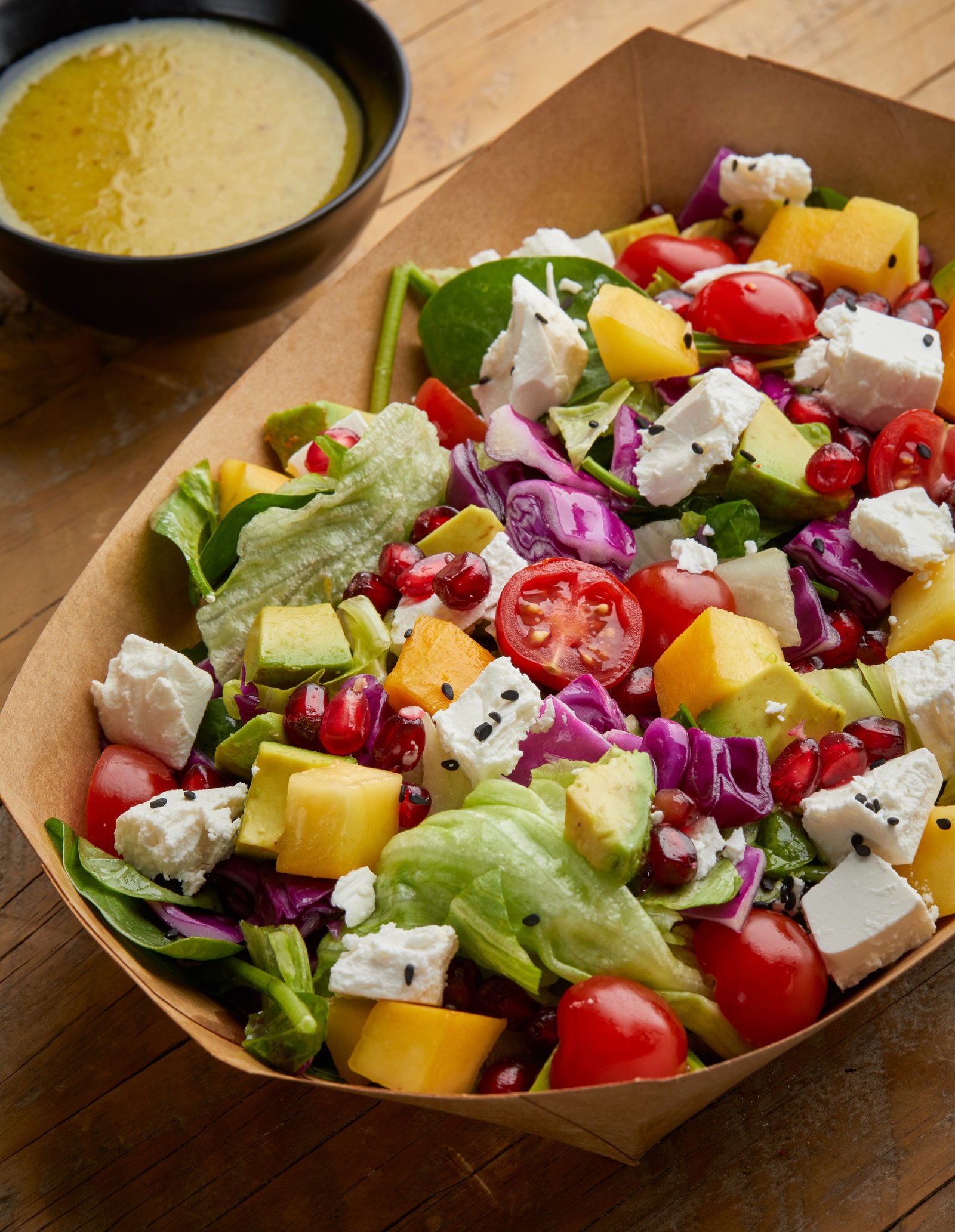
Introduction: Indian cuisine is renowned for its rich flavors, vibrant colors, and diverse range of dishes. But beyond satisfying our taste buds, Indian food also boasts an array of nutrient-dense ingredients that can support a healthy and balanced diet. In this article, we will delve into the world of Indian cuisine and uncover some of the nutrient-dense foods it offers. 1. Lentils and Legumes: Lentils and legumes are a staple in Indian cooking and a great source of plant-based protein, dietary fiber, and various essential nutrients. From the protein-packed yellow moong dal to the fiber-rich chickpeas in chole masala, lentils and legumes offer a wholesome base for many Indian dishes. They are also low in fat and cholesterol, making them an ideal choice for those looking to maintain a healthy weight and improve heart health. 2. Whole Grains: Indian cuisine heavily relies on whole grains such as brown rice, quinoa, millet, and whole wheat flour. These grains are packed with fiber, vitamins, and minerals, providing sustained energy and promoting digestive health. From the aromatic biryanis to the fluffy chapatis and dosas, incorporating whole grains into your Indian meals can make them not only delicious but also nutrient-dense. 3. Turmeric: Turmeric is a vibrant yellow spice commonly used in Indian cooking, renowned for its potential health benefits. Curcumin, the active compound in turmeric, is a powerful antioxidant and anti-inflammatory agent. Its anti-inflammatory properties have been linked to improved brain function, reduced risk of chronic diseases, and enhanced immune response. Including turmeric in your Indian dishes, such as turmeric-infused curries and spice blends, can be a simple and flavorful way to reap its incredible health benefits. 4. Leafy Greens: Indian cuisine showcases an array of leafy greens such as spinach, fenugreek, mustard greens, and amaranth leaves. These greens are packed with vitamins A, C, K, and folate, along with minerals like iron and calcium. Adding these greens to traditional dishes like saag paneer or incorporating them into salads and stir-fries can elevate the nutritional profile of your meals. Their high fiber content also aids digestion and promotes satiety. 5. Yogurt: Yogurt, or curd as it is commonly known in India, is a nutritious addition to any Indian meal. It is rich in calcium, protein, probiotics, and essential vitamins. The probiotics present in yogurt promote gut health and strengthen the immune system. Besides being eaten on its own, yogurt is widely used in savory dishes like raita and lassi, which can add a cooling and tangy element to your Indian spread. Conclusion: Indian cuisine offers a plethora of nutrient-dense foods that not only tantalize our taste buds but also support our overall well-being. By incorporating lentils and legumes, whole grains, turmeric, leafy greens, and yogurt into your meals, you can enjoy a delicious and nutritious Indian feast. So, embrace the diverse flavors and vibrant colors of Indian cuisine while nourishing your body with these power-packed ingredients. For comprehensive coverage, check out http://www.indianspecialty.com For valuable insights, consult http://www.bestindianfoods.com Want to gain insights? Start with http://www.uurdu.com To get a better understanding, go through http://www.eatnaturals.com Explore this subject further for a deeper understanding. http://www.biofitnesslab.com Discover new insights by reading http://www.mimidate.com
Leave a Comment:
SEARCH
Recent News
- Zurich, Switzerland is known for its multicultural atmosphere and diverse culinary scene. One of the lesser-known gems of Zurich's food scene is Sudanese cuisine. Sudanese cuisine is a reflection of the country's diverse cultural influences, blending Arabic, African, and Mediterranean flavors to create a unique and delicious culinary experience.
- Zurich, Switzerland: A Culinary Journey through Regional Cuisine
- Zurich, Switzerland is known for its stunning landscapes, rich history, and vibrant culture. However, another aspect of Zurich that shouldn't be overlooked is its diverse and delicious fast food scene. From traditional Swiss street food to international favorites, there is something to satisfy every craving in Zurich. Let's take a closer look at some of the popular fast food options you can find in this picturesque city.
- Zurich, Switzerland is known for its stunning natural beauty, vibrant arts scene, and strong economy. However, what many people may not know is that this dynamic city also offers a diverse culinary experience that includes delicacies from around the world. One such cuisine that has found a home in Zurich is Philippine cuisine.
- Zurich, Switzerland is known for its picturesque views, stunning architecture, and vibrant cultural scene. Located in the heart of Europe, Zurich offers a mix of traditional Swiss cuisine and international flavors. One particular cuisine that has been making waves in Zurich is Paraguayan cuisine.
- Zurich, Switzerland is a city known for its stunning views, picturesque streets, and vibrant culture. It is also a melting pot of diverse culinary influences, with a wide range of cuisines to choose from. One such cuisine that has made its mark in Zurich is Norwegian cuisine.
- Zurich, Switzerland, and Montreal, Canada, are two vibrant cities known for their distinct cultural characteristics. While Zurich is renowned for its picturesque landscapes, rich history, and high standard of living, Montreal is famous for its diverse population, vibrant arts scene, and mouth-watering cuisine. In this blog post, we will delve into the delectable culinary offerings of Montreal and explore how its unique food scene sets it apart from the culinary landscape of Zurich.
- Zurich, Switzerland is a vibrant city known for its stunning architecture, picturesque landscapes, and diverse culinary scene. While Swiss cuisine certainly holds a special place in the hearts of many locals and visitors, the city also boasts a variety of international dining options, including Latin American food.
READ MORE
7 months ago Category : deleci

Zurich, Switzerland is known for its multicultural atmosphere and diverse culinary scene. One of the lesser-known gems of Zurich's food scene is Sudanese cuisine. Sudanese cuisine is a reflection of the country's diverse cultural influences, blending Arabic, African, and Mediterranean flavors to create a unique and delicious culinary experience.
Read More →7 months ago Category : deleci

Zurich, Switzerland: A Culinary Journey through Regional Cuisine
Read More →7 months ago Category : deleci

Zurich, Switzerland is known for its stunning landscapes, rich history, and vibrant culture. However, another aspect of Zurich that shouldn't be overlooked is its diverse and delicious fast food scene. From traditional Swiss street food to international favorites, there is something to satisfy every craving in Zurich. Let's take a closer look at some of the popular fast food options you can find in this picturesque city.
Read More →7 months ago Category : deleci
