The Lowdown on Health Bars: Are They Really a Healthy Food Option?
Category : deleci | Sub Category : deleci Posted on 2023-10-30 21:24:53
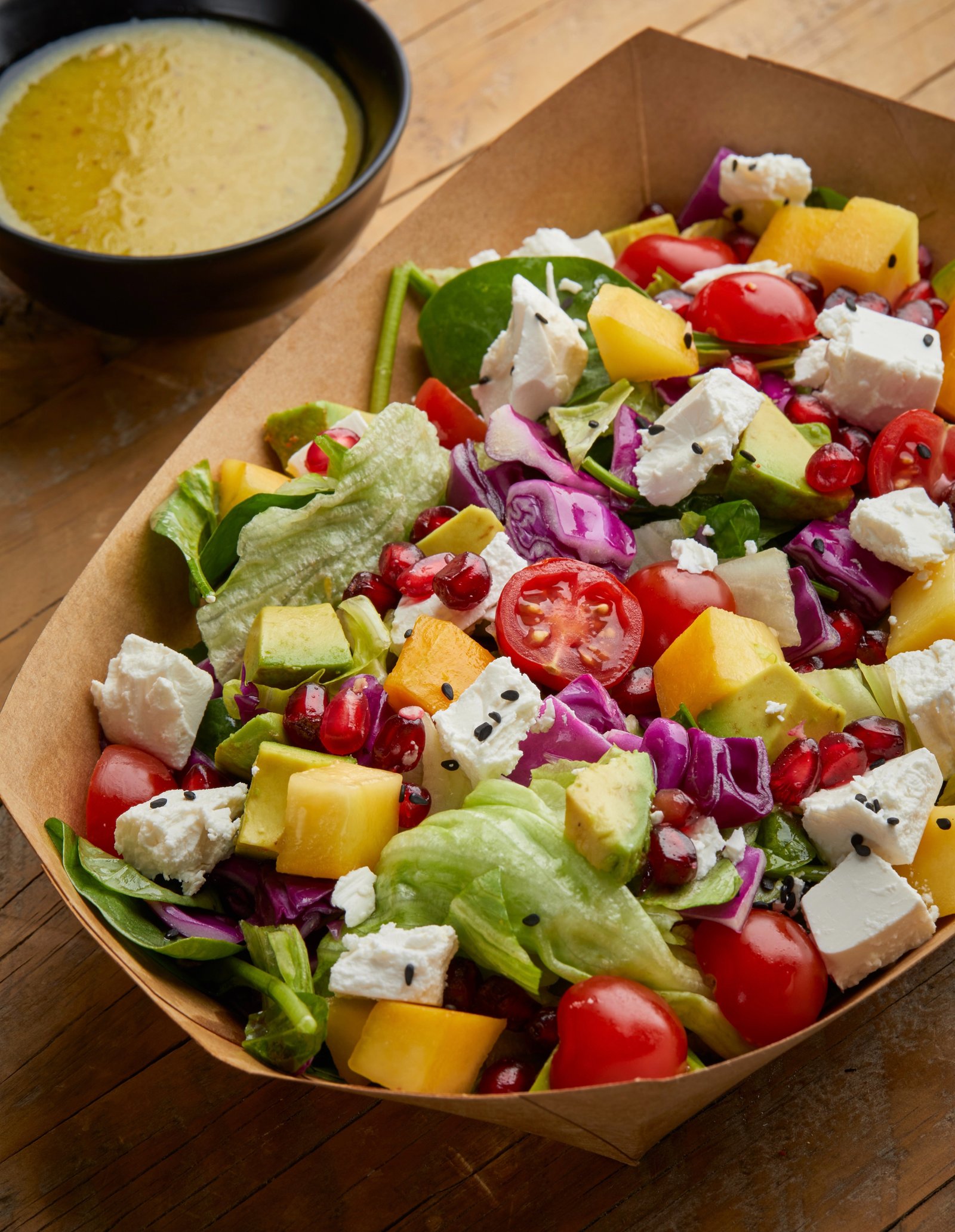
Introduction: In today's busy world, health bars have become popular as on-the-go snacks and meal replacements. They come in a wide variety of flavors and claim to provide essential nutrients while satisfying your hunger cravings. But are these convenient snacks really a healthy food option? Let's delve into the pros and cons of health bars to help you make an informed decision. Understanding Health Bars: Health bars, also known as nutrition bars or protein bars, are compact, pre-packaged bars that are designed to be a convenient source of energy and nutrients. They typically contain a combination of carbohydrates, protein, fats, fiber, and various vitamins and minerals. Health bars are marketed as an easy way to get a quick nutritional boost without having to sit down for a full meal. The Pros of Health Bars: 1. Convenience: The greatest advantage of health bars is their convenience. They are readily available, portable, and can be consumed on the go. Whether you're looking to fuel up before a workout or need a quick snack between meetings, health bars can be a convenient option. 2. Nutrient-dense: Many health bars are formulated to provide a well-balanced mix of macronutrients (carbohydrates, proteins, and fats) as well as micronutrients (vitamins and minerals). These bars can help you meet your daily nutritional requirements, especially if you're unable to have a full meal. 3. Protein boost: Health bars often contain a good amount of protein, which is essential for muscle repair and growth. This can be beneficial for individuals looking to build muscle, recover after exercise, or simply increase their protein intake. The Cons of Health Bars: 1. Added sugars: While health bars may claim to be wholesome and natural, some can be loaded with added sugars. Always read the labels carefully to watch out for ingredients like corn syrup, cane sugar, or artificial sweeteners. Excess sugar consumption can lead to obesity, diabetes, and other health issues. 2. Calorie density: Health bars can be high in calories, which may not be suitable for those trying to lose weight or watching their calorie intake. It's important to consider the overall calorie content of the bar and factor it into your daily caloric needs. 3. Processing and additives: Many health bars undergo processing to extend their shelf life and improve their taste and texture. This can result in the addition of artificial ingredients, preservatives, and fillers that may not be beneficial for your health. Making an Informed Choice: 1. Read the labels: Pay close attention to the ingredient list and nutritional information to select health bars that are low in added sugars, artificial ingredients, and unnecessary additives. 2. Portion control: Health bars should be consumed in moderation as part of a balanced diet. Avoid relying solely on these bars as a meal replacement but incorporate them as a supplementary snack or quick fix when necessary. 3. Make your own: If you're concerned about the quality of store-bought health bars, consider making your own at home. This way, you have complete control over the ingredients and can include nutritious options like nuts, seeds, and dried fruits. Conclusion: Health bars can serve as a convenient and nutritious snack option when chosen wisely. They can be a good source of energy and nutrients, especially for individuals with busy schedules or specific dietary needs. However, it's crucial to carefully evaluate the ingredients and nutritional profiles to ensure you are selecting bars that truly promote your overall health and well-being. Ultimately, a varied and balanced diet, consisting of whole foods, is key to maintaining optimal health. this link is for more information http://www.doctorregister.com Dive into the details to understand this topic thoroughly. http://www.tinyfed.com For more info http://www.natclar.com Here is the following website to check: http://www.eatnaturals.com also this link is for more information http://www.mimidate.com
Leave a Comment:
SEARCH
Recent News
- Zurich, Switzerland is known for its multicultural atmosphere and diverse culinary scene. One of the lesser-known gems of Zurich's food scene is Sudanese cuisine. Sudanese cuisine is a reflection of the country's diverse cultural influences, blending Arabic, African, and Mediterranean flavors to create a unique and delicious culinary experience.
- Zurich, Switzerland: A Culinary Journey through Regional Cuisine
- Zurich, Switzerland is known for its stunning landscapes, rich history, and vibrant culture. However, another aspect of Zurich that shouldn't be overlooked is its diverse and delicious fast food scene. From traditional Swiss street food to international favorites, there is something to satisfy every craving in Zurich. Let's take a closer look at some of the popular fast food options you can find in this picturesque city.
- Zurich, Switzerland is known for its stunning natural beauty, vibrant arts scene, and strong economy. However, what many people may not know is that this dynamic city also offers a diverse culinary experience that includes delicacies from around the world. One such cuisine that has found a home in Zurich is Philippine cuisine.
- Zurich, Switzerland is known for its picturesque views, stunning architecture, and vibrant cultural scene. Located in the heart of Europe, Zurich offers a mix of traditional Swiss cuisine and international flavors. One particular cuisine that has been making waves in Zurich is Paraguayan cuisine.
- Zurich, Switzerland is a city known for its stunning views, picturesque streets, and vibrant culture. It is also a melting pot of diverse culinary influences, with a wide range of cuisines to choose from. One such cuisine that has made its mark in Zurich is Norwegian cuisine.
- Zurich, Switzerland, and Montreal, Canada, are two vibrant cities known for their distinct cultural characteristics. While Zurich is renowned for its picturesque landscapes, rich history, and high standard of living, Montreal is famous for its diverse population, vibrant arts scene, and mouth-watering cuisine. In this blog post, we will delve into the delectable culinary offerings of Montreal and explore how its unique food scene sets it apart from the culinary landscape of Zurich.
- Zurich, Switzerland is a vibrant city known for its stunning architecture, picturesque landscapes, and diverse culinary scene. While Swiss cuisine certainly holds a special place in the hearts of many locals and visitors, the city also boasts a variety of international dining options, including Latin American food.
READ MORE
4 months ago Category : deleci

Zurich, Switzerland is known for its multicultural atmosphere and diverse culinary scene. One of the lesser-known gems of Zurich's food scene is Sudanese cuisine. Sudanese cuisine is a reflection of the country's diverse cultural influences, blending Arabic, African, and Mediterranean flavors to create a unique and delicious culinary experience.
Read More →4 months ago Category : deleci

Zurich, Switzerland: A Culinary Journey through Regional Cuisine
Read More →4 months ago Category : deleci

Zurich, Switzerland is known for its stunning landscapes, rich history, and vibrant culture. However, another aspect of Zurich that shouldn't be overlooked is its diverse and delicious fast food scene. From traditional Swiss street food to international favorites, there is something to satisfy every craving in Zurich. Let's take a closer look at some of the popular fast food options you can find in this picturesque city.
Read More →4 months ago Category : deleci
