Exploring the Intricacies of Meat Processing and Packaging: From Farm to Table
Category : deleci | Sub Category : deleci Posted on 2023-10-30 21:24:53
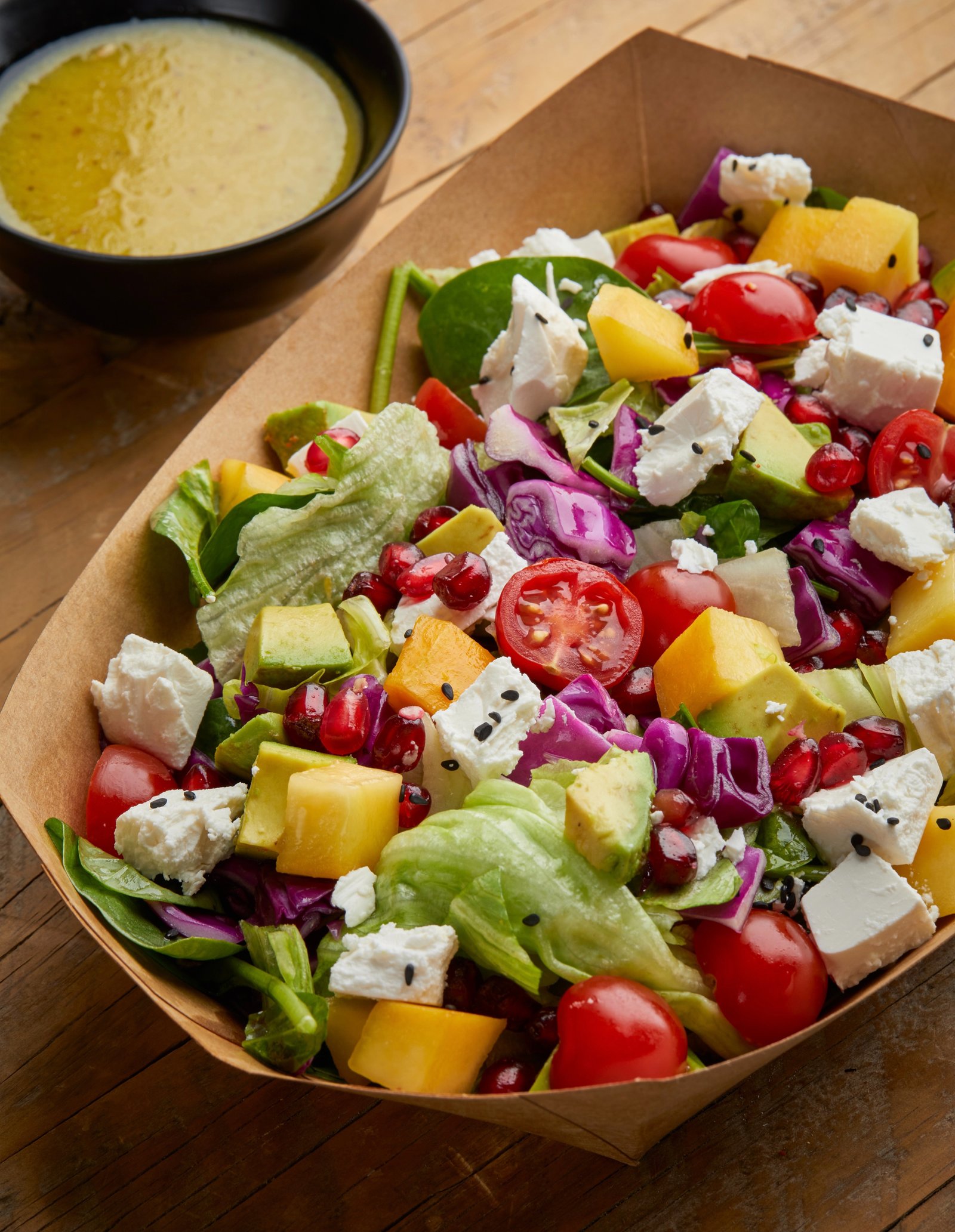
Introduction: Meat plays a significant role in our diets, providing essential nutrients and flavors. However, have you ever wondered about the behind-the-scenes processes involved in meat processing and packaging? From the farm to your table, there are several intricate steps that ensure the quality, safety, and preservation of meat products. In this blog post, we will explore the journey of meat, highlighting the importance of meat processing and packaging in delivering delicious and nutritious products to consumers. 1. Sourcing and Harvesting: The meat processing and packaging journey begins with sourcing high-quality animals from trusted farms or suppliers. These animals are raised following strict guidelines and ethical practices to ensure their well-being. Once they reach the appropriate age and weight, it's time for harvesting. Experienced professionals carry out this process with utmost care, ensuring minimal stress to the animals and maintaining hygiene standards. 2. Initial Processing and Inspection: After harvesting, the animals are transported to meat processing facilities for initial processing. Here, the carcasses are inspected for any abnormalities or diseases by certified meat inspectors. This step ensures that only safe and healthy meat proceeds further in the processing and packaging chain. 3. Deboning and Separation: In this stage, skilled butchers proceed to debone the carcasses and separate different cuts of meat. This is where the various popular cuts like steaks, chops, and roasts are prepared. The deboning process also includes the removal of excess fat and connective tissues. 4. Grinding and Forming: For ground meat products like patties, sausages, and meatballs, the next step involves grinding the meat. The meat is carefully minced to achieve the desired texture and consistency. Depending on the product, seasonings, spices, and other ingredients may be added for enhanced flavor. 5. Marination and Seasoning: Many meat products benefit from marination and seasoning, as this process adds depth and complexity to the taste. Marinades, made with a variety of ingredients such as herbs, spices, oils, and acids, tenderize the meat and infuse it with flavor. These marinated meats are then packaged or further processed into various forms like skewers or ready-to-cook meals. 6. Packaging and Preservation: Meat packaging is critical for maintaining its freshness, flavor, and quality. Depending on the product and its intended shelf life, various packaging methods may be used. Vacuum packaging, where the air is removed from the package, is a common technique as it reduces oxygen exposure, which slows down spoilage. Additionally, temperature-controlled storage and transportation play a vital role in preserving the meat until it reaches consumers' kitchens. 7. Quality Assurance and Compliance: Throughout the meat processing and packaging journey, quality control measures are strictly implemented to ensure compliance with food safety regulations. Regular inspections, audits, and testing are conducted to monitor the process, equipment, and final products. This ensures that consumers receive safe meat products of the highest quality. Conclusion: Meat processing and packaging involve a series of interconnected steps that guarantee the delivery of safe, nutritious, and flavorsome products to consumers. From sourcing and harvesting to packaging and preservation, every stage is crucial. The diligence and expertise of professionals in the meat industry ensure that we can enjoy a wide range of meat-based delicacies with confidence. The next time you savor a juicy steak or bite into a savory sausage, you'll appreciate the journey it took to reach your plate. For a broader perspective, don't miss http://www.meatmob.com to Get more information at http://www.eatnaturals.com Take a deep dive into this topic by checking: http://www.mimidate.com
Leave a Comment:
SEARCH
Recent News
- Zurich, Switzerland is known for its multicultural atmosphere and diverse culinary scene. One of the lesser-known gems of Zurich's food scene is Sudanese cuisine. Sudanese cuisine is a reflection of the country's diverse cultural influences, blending Arabic, African, and Mediterranean flavors to create a unique and delicious culinary experience.
- Zurich, Switzerland: A Culinary Journey through Regional Cuisine
- Zurich, Switzerland is known for its stunning landscapes, rich history, and vibrant culture. However, another aspect of Zurich that shouldn't be overlooked is its diverse and delicious fast food scene. From traditional Swiss street food to international favorites, there is something to satisfy every craving in Zurich. Let's take a closer look at some of the popular fast food options you can find in this picturesque city.
- Zurich, Switzerland is known for its stunning natural beauty, vibrant arts scene, and strong economy. However, what many people may not know is that this dynamic city also offers a diverse culinary experience that includes delicacies from around the world. One such cuisine that has found a home in Zurich is Philippine cuisine.
- Zurich, Switzerland is known for its picturesque views, stunning architecture, and vibrant cultural scene. Located in the heart of Europe, Zurich offers a mix of traditional Swiss cuisine and international flavors. One particular cuisine that has been making waves in Zurich is Paraguayan cuisine.
- Zurich, Switzerland is a city known for its stunning views, picturesque streets, and vibrant culture. It is also a melting pot of diverse culinary influences, with a wide range of cuisines to choose from. One such cuisine that has made its mark in Zurich is Norwegian cuisine.
- Zurich, Switzerland, and Montreal, Canada, are two vibrant cities known for their distinct cultural characteristics. While Zurich is renowned for its picturesque landscapes, rich history, and high standard of living, Montreal is famous for its diverse population, vibrant arts scene, and mouth-watering cuisine. In this blog post, we will delve into the delectable culinary offerings of Montreal and explore how its unique food scene sets it apart from the culinary landscape of Zurich.
- Zurich, Switzerland is a vibrant city known for its stunning architecture, picturesque landscapes, and diverse culinary scene. While Swiss cuisine certainly holds a special place in the hearts of many locals and visitors, the city also boasts a variety of international dining options, including Latin American food.
READ MORE
5 months ago Category : deleci

Zurich, Switzerland is known for its multicultural atmosphere and diverse culinary scene. One of the lesser-known gems of Zurich's food scene is Sudanese cuisine. Sudanese cuisine is a reflection of the country's diverse cultural influences, blending Arabic, African, and Mediterranean flavors to create a unique and delicious culinary experience.
Read More →5 months ago Category : deleci

Zurich, Switzerland: A Culinary Journey through Regional Cuisine
Read More →5 months ago Category : deleci

Zurich, Switzerland is known for its stunning landscapes, rich history, and vibrant culture. However, another aspect of Zurich that shouldn't be overlooked is its diverse and delicious fast food scene. From traditional Swiss street food to international favorites, there is something to satisfy every craving in Zurich. Let's take a closer look at some of the popular fast food options you can find in this picturesque city.
Read More →5 months ago Category : deleci
