Leveraging Machine Learning in the Food Industry: Transforming the Way We Eat
Category : deleci | Sub Category : deleci Posted on 2023-10-30 21:24:53
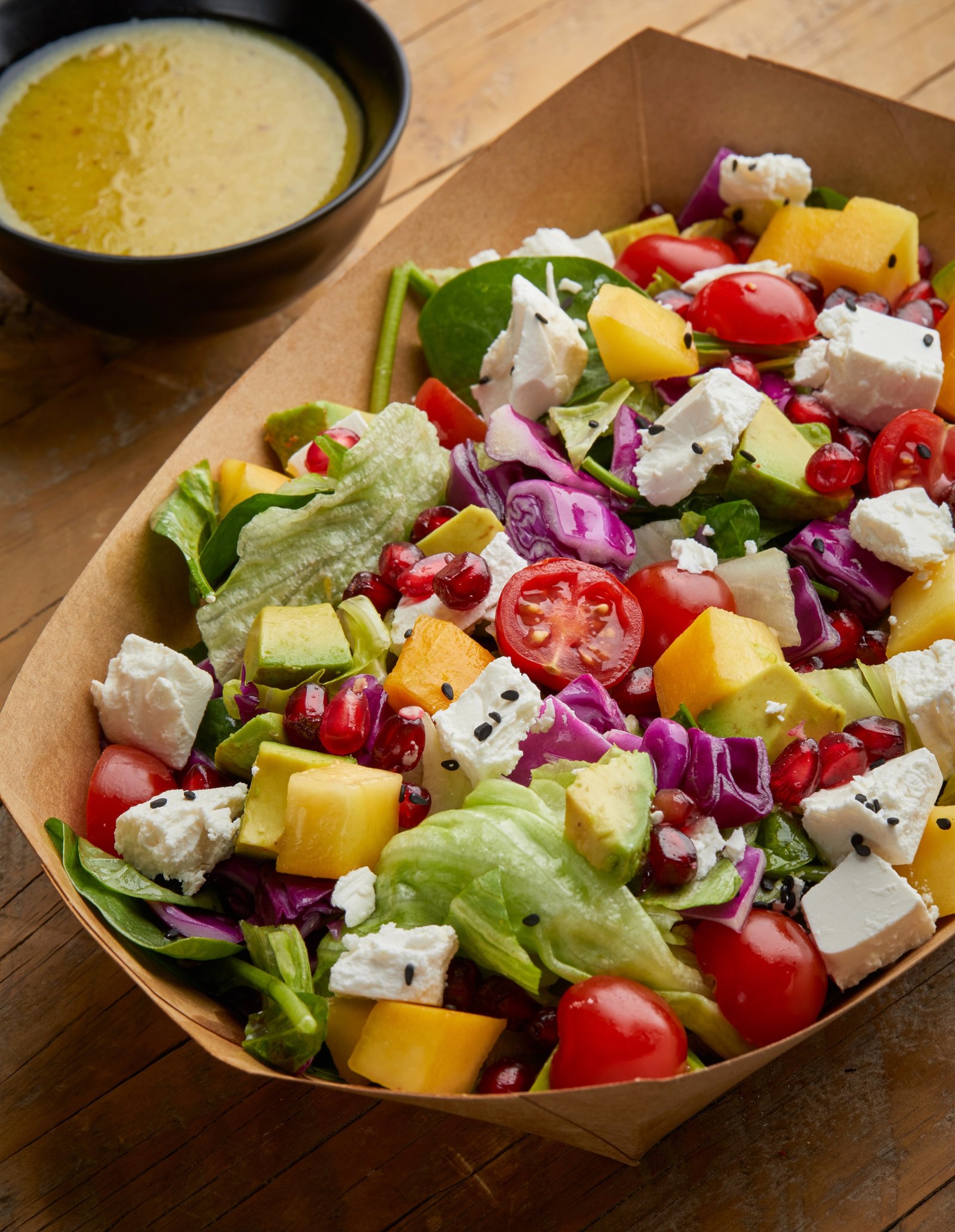
Introduction: In today's fast-paced world, technology is revolutionizing every industry, and the food industry is no exception. From farm to fork, machine learning is becoming an integral part of optimizing processes, improving customer experiences, and even influencing our eating habits. In this article, we'll explore the exciting ways in which machine learning is reshaping the food industry. 1. Enhancing Sensory Analysis: Food companies have traditionally relied on sensory analysis to evaluate the taste, aroma, texture, and visual appeal of their products. However, the process of human sensory evaluation is subjective and often time-consuming. Machine learning algorithms are now being used to facilitate objective and efficient sensory analysis. By analyzing vast amounts of data, machine learning models can accurately predict sensory attributes and suggest improvements, leading to better-tasting and more appealing food products. 2. Personalized Nutrition: Everyone's nutritional needs are different, and a one-size-fits-all approach to nutrition may not be the most effective. Machine learning algorithms can process diverse data sets, including personal health records, genetic information, dietary preferences, and lifestyle factors to provide personalized nutrition recommendations. These recommendations can help individuals make informed choices about their diets, leading to improved health outcomes. Companies like Habit and PlateJoy are already leveraging machine learning to deliver personalized meal plans and grocery recommendations to their customers. 3. Supply Chain Optimization: Efficient supply chain management is critical for the food industry to minimize waste, reduce costs, and ensure the availability of fresh produce. Machine learning algorithms can analyze historical data, weather patterns, transportation logistics, and market demand to optimize inventory levels, streamline logistics, and predict future demand. This enables farmers, distributors, and retailers to make data-driven decisions regarding production, distribution, and pricing, resulting in a more sustainable and resilient food supply chain. 4. Food Quality Control: Maintaining consistent quality is of utmost importance in the food industry. Machine learning algorithms can be trained on vast amounts of data to detect patterns and anomalies, enabling early identification of potential quality issues. By analyzing sensory, chemical, and physical attributes, machine learning models can identify deviations from the expected norms and trigger preventive actions. This not only ensures consumer safety but also saves costs associated with recalls and reputational damage. 5. Menu Optimization: For restaurants and food delivery platforms, menu optimization plays a significant role in attracting and retaining customers. Machine learning algorithms can analyze customer preferences, browsing patterns, and purchase history to recommend dishes tailored to individual tastes. By understanding customers' preferences at a granular level, businesses can create targeted promotions, optimize pricing, and tailor menus to increase customer satisfaction and drive sales. Conclusion: Machine learning is rapidly transforming the food industry by offering new ways to enhance product quality, deliver personalized experiences, optimize supply chains, and create data-driven insights. As we move forward, the integration of machine learning in the food industry holds the potential to revolutionize the way we produce, consume, and interact with food. By leveraging the power of technology, we can create a more efficient, sustainable, and personalized food ecosystem that benefits both businesses and consumers alike. Curious to learn more? Click on http://www.thunderact.com Seeking in-depth analysis? The following is a must-read. http://www.eatnaturals.com Explore this subject in detail with http://www.mimidate.com To expand your knowledge, I recommend: http://www.sugerencias.net
Leave a Comment:
SEARCH
Recent News
- Zurich, Switzerland is known for its multicultural atmosphere and diverse culinary scene. One of the lesser-known gems of Zurich's food scene is Sudanese cuisine. Sudanese cuisine is a reflection of the country's diverse cultural influences, blending Arabic, African, and Mediterranean flavors to create a unique and delicious culinary experience.
- Zurich, Switzerland: A Culinary Journey through Regional Cuisine
- Zurich, Switzerland is known for its stunning landscapes, rich history, and vibrant culture. However, another aspect of Zurich that shouldn't be overlooked is its diverse and delicious fast food scene. From traditional Swiss street food to international favorites, there is something to satisfy every craving in Zurich. Let's take a closer look at some of the popular fast food options you can find in this picturesque city.
- Zurich, Switzerland is known for its stunning natural beauty, vibrant arts scene, and strong economy. However, what many people may not know is that this dynamic city also offers a diverse culinary experience that includes delicacies from around the world. One such cuisine that has found a home in Zurich is Philippine cuisine.
- Zurich, Switzerland is known for its picturesque views, stunning architecture, and vibrant cultural scene. Located in the heart of Europe, Zurich offers a mix of traditional Swiss cuisine and international flavors. One particular cuisine that has been making waves in Zurich is Paraguayan cuisine.
- Zurich, Switzerland is a city known for its stunning views, picturesque streets, and vibrant culture. It is also a melting pot of diverse culinary influences, with a wide range of cuisines to choose from. One such cuisine that has made its mark in Zurich is Norwegian cuisine.
- Zurich, Switzerland, and Montreal, Canada, are two vibrant cities known for their distinct cultural characteristics. While Zurich is renowned for its picturesque landscapes, rich history, and high standard of living, Montreal is famous for its diverse population, vibrant arts scene, and mouth-watering cuisine. In this blog post, we will delve into the delectable culinary offerings of Montreal and explore how its unique food scene sets it apart from the culinary landscape of Zurich.
- Zurich, Switzerland is a vibrant city known for its stunning architecture, picturesque landscapes, and diverse culinary scene. While Swiss cuisine certainly holds a special place in the hearts of many locals and visitors, the city also boasts a variety of international dining options, including Latin American food.
READ MORE
5 months ago Category : deleci

Zurich, Switzerland is known for its multicultural atmosphere and diverse culinary scene. One of the lesser-known gems of Zurich's food scene is Sudanese cuisine. Sudanese cuisine is a reflection of the country's diverse cultural influences, blending Arabic, African, and Mediterranean flavors to create a unique and delicious culinary experience.
Read More →5 months ago Category : deleci

Zurich, Switzerland: A Culinary Journey through Regional Cuisine
Read More →5 months ago Category : deleci

Zurich, Switzerland is known for its stunning landscapes, rich history, and vibrant culture. However, another aspect of Zurich that shouldn't be overlooked is its diverse and delicious fast food scene. From traditional Swiss street food to international favorites, there is something to satisfy every craving in Zurich. Let's take a closer look at some of the popular fast food options you can find in this picturesque city.
Read More →5 months ago Category : deleci
