Exploring the Rich Variety of Fermented Foods in Different Cultures
Category : deleci | Sub Category : deleci Posted on 2023-10-30 21:24:53
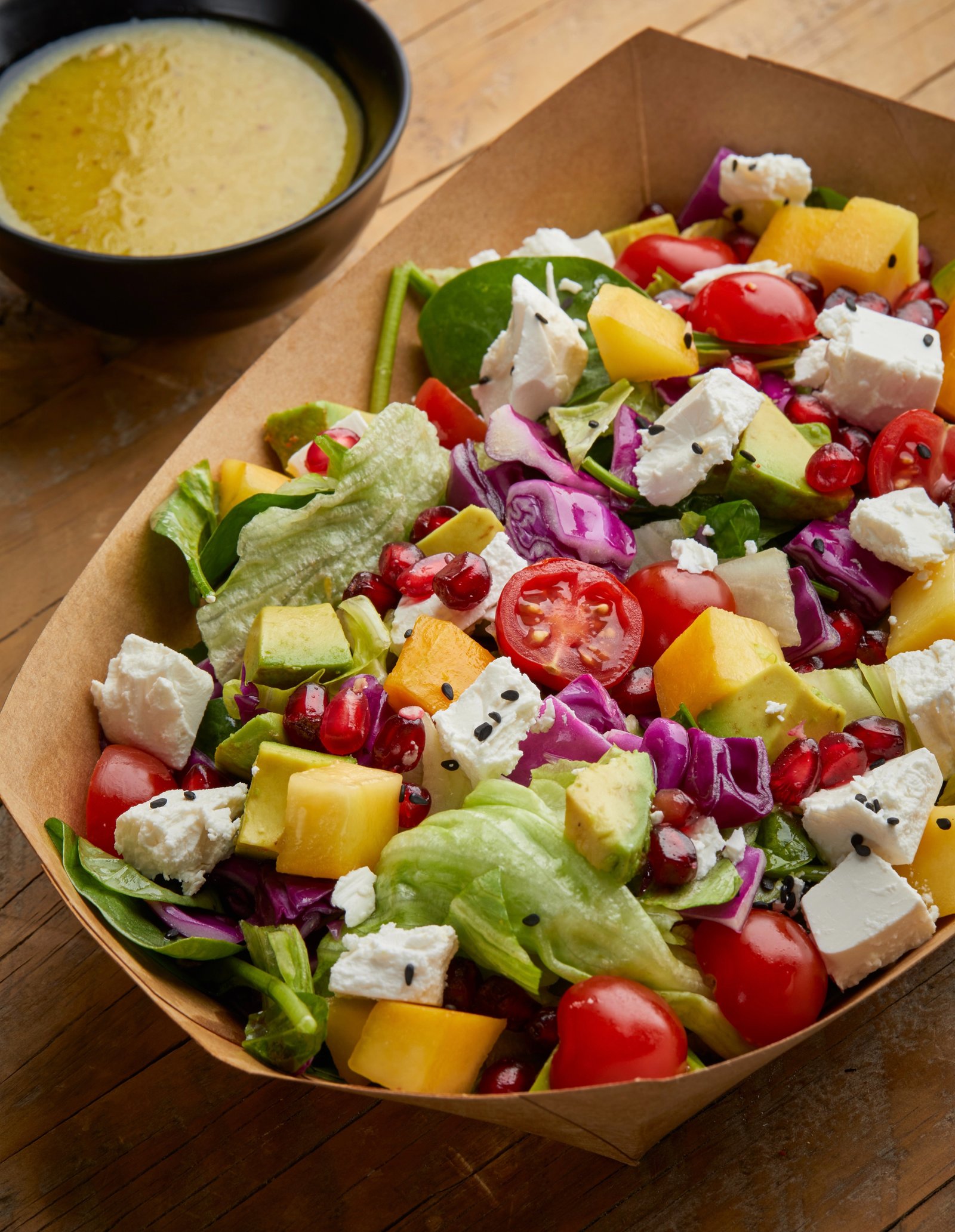
Introduction: Fermented foods have been an integral part of human diets for centuries. Across different cultures, fermentation has been used as a means of preserving food, enhancing its flavors, and improving digestion. From the tangy sauerkraut of Germany to the spicy kimchi of Korea, fermented foods offer a wide range of flavors and health benefits. In this article, we will journey through various cultures to discover some of the most fascinating fermented foods from around the world. 1. Sauerkraut (Germany): Originating in Germany, sauerkraut is a fermented cabbage dish that has become synonymous with German cuisine. It is made by fermenting finely shredded cabbage with salt, resulting in a tangy and slightly sour flavor. Sauerkraut is not only a delicious addition to dishes like sausages and stews, but it is also rich in probiotics and vitamin C, promoting gut health and boosting the immune system. 2. Kimchi (Korea): Representing the essence of Korean cuisine, kimchi is a spicy fermented cabbage dish. It is made by fermenting cabbage, radish, and other vegetables with a combination of garlic, ginger, chili peppers, and salt. Kimchi is known for its pungent aroma and distinctive taste. Packed with vitamins, minerals, and healthy bacteria, kimchi is believed to aid digestion and improve overall gut health. 3. Miso (Japan): Miso is a traditional Japanese fermented soybean paste that serves as a base for many Japanese dishes. It is made by fermenting soybeans with a koji culture, a type of mold, and salt. Miso comes in various forms, ranging from light-colored to dark-colored, with each offering a unique taste profile. High in probiotics, antioxidants, and nutrients, miso is a staple ingredient in Japanese cuisine and adds depth of flavor to soups, marinades, and dressings. 4. Kombucha (China): Originating in China, kombucha is a fermented tea drink that has gained popularity worldwide. It is made by fermenting sweetened black or green tea with a SCOBY (Symbiotic Culture of Bacteria and Yeast). The resulting beverage is slightly effervescent, with a tangy and slightly sweet taste. Kombucha is known for its probiotic content, aiding digestion, and providing a natural energy boost. 5. Yogurt (Middle East): Yogurt has been a staple in Middle Eastern cuisine for centuries. It is made by fermenting milk with live bacteria cultures, such as Lactobacillus bulgaricus and Streptococcus thermophilus. The fermentation process transforms lactose into lactic acid, giving yogurt its tangy flavor and creamy texture. Rich in calcium, protein, and probiotics, yogurt is not only a versatile ingredient in cooking but also an excellent source of gut-friendly bacteria. Conclusion: Fermented foods are not just tasty additions to various cuisines but also offer numerous health benefits. From sauerkraut in Germany to kimchi in Korea, the world is filled with an array of fascinating fermented foods, each with its unique flavors and cultural significance. Incorporating these foods into our diets can enhance our gut health, improve digestion, and provide a boost to our immune systems. So, don't be afraid to step out of your culinary comfort zone and explore the diverse world of fermented foods from different cultures. Your taste buds and your gut will thank you! Check this out http://www.culturepolitics.com For a deeper dive, visit: http://www.eatnaturals.com Have a visit at http://www.mimidate.com
Leave a Comment:
SEARCH
Recent News
- Zurich, Switzerland is known for its multicultural atmosphere and diverse culinary scene. One of the lesser-known gems of Zurich's food scene is Sudanese cuisine. Sudanese cuisine is a reflection of the country's diverse cultural influences, blending Arabic, African, and Mediterranean flavors to create a unique and delicious culinary experience.
- Zurich, Switzerland: A Culinary Journey through Regional Cuisine
- Zurich, Switzerland is known for its stunning landscapes, rich history, and vibrant culture. However, another aspect of Zurich that shouldn't be overlooked is its diverse and delicious fast food scene. From traditional Swiss street food to international favorites, there is something to satisfy every craving in Zurich. Let's take a closer look at some of the popular fast food options you can find in this picturesque city.
- Zurich, Switzerland is known for its stunning natural beauty, vibrant arts scene, and strong economy. However, what many people may not know is that this dynamic city also offers a diverse culinary experience that includes delicacies from around the world. One such cuisine that has found a home in Zurich is Philippine cuisine.
- Zurich, Switzerland is known for its picturesque views, stunning architecture, and vibrant cultural scene. Located in the heart of Europe, Zurich offers a mix of traditional Swiss cuisine and international flavors. One particular cuisine that has been making waves in Zurich is Paraguayan cuisine.
- Zurich, Switzerland is a city known for its stunning views, picturesque streets, and vibrant culture. It is also a melting pot of diverse culinary influences, with a wide range of cuisines to choose from. One such cuisine that has made its mark in Zurich is Norwegian cuisine.
- Zurich, Switzerland, and Montreal, Canada, are two vibrant cities known for their distinct cultural characteristics. While Zurich is renowned for its picturesque landscapes, rich history, and high standard of living, Montreal is famous for its diverse population, vibrant arts scene, and mouth-watering cuisine. In this blog post, we will delve into the delectable culinary offerings of Montreal and explore how its unique food scene sets it apart from the culinary landscape of Zurich.
- Zurich, Switzerland is a vibrant city known for its stunning architecture, picturesque landscapes, and diverse culinary scene. While Swiss cuisine certainly holds a special place in the hearts of many locals and visitors, the city also boasts a variety of international dining options, including Latin American food.
READ MORE
11 months ago Category : deleci

Zurich, Switzerland is known for its multicultural atmosphere and diverse culinary scene. One of the lesser-known gems of Zurich's food scene is Sudanese cuisine. Sudanese cuisine is a reflection of the country's diverse cultural influences, blending Arabic, African, and Mediterranean flavors to create a unique and delicious culinary experience.
Read More →11 months ago Category : deleci

Zurich, Switzerland: A Culinary Journey through Regional Cuisine
Read More →11 months ago Category : deleci

Zurich, Switzerland is known for its stunning landscapes, rich history, and vibrant culture. However, another aspect of Zurich that shouldn't be overlooked is its diverse and delicious fast food scene. From traditional Swiss street food to international favorites, there is something to satisfy every craving in Zurich. Let's take a closer look at some of the popular fast food options you can find in this picturesque city.
Read More →11 months ago Category : deleci
