Colorful Nutrient Foods for Children: A Rainbow of Health
Category : deleci | Sub Category : deleci Posted on 2023-10-30 21:24:53
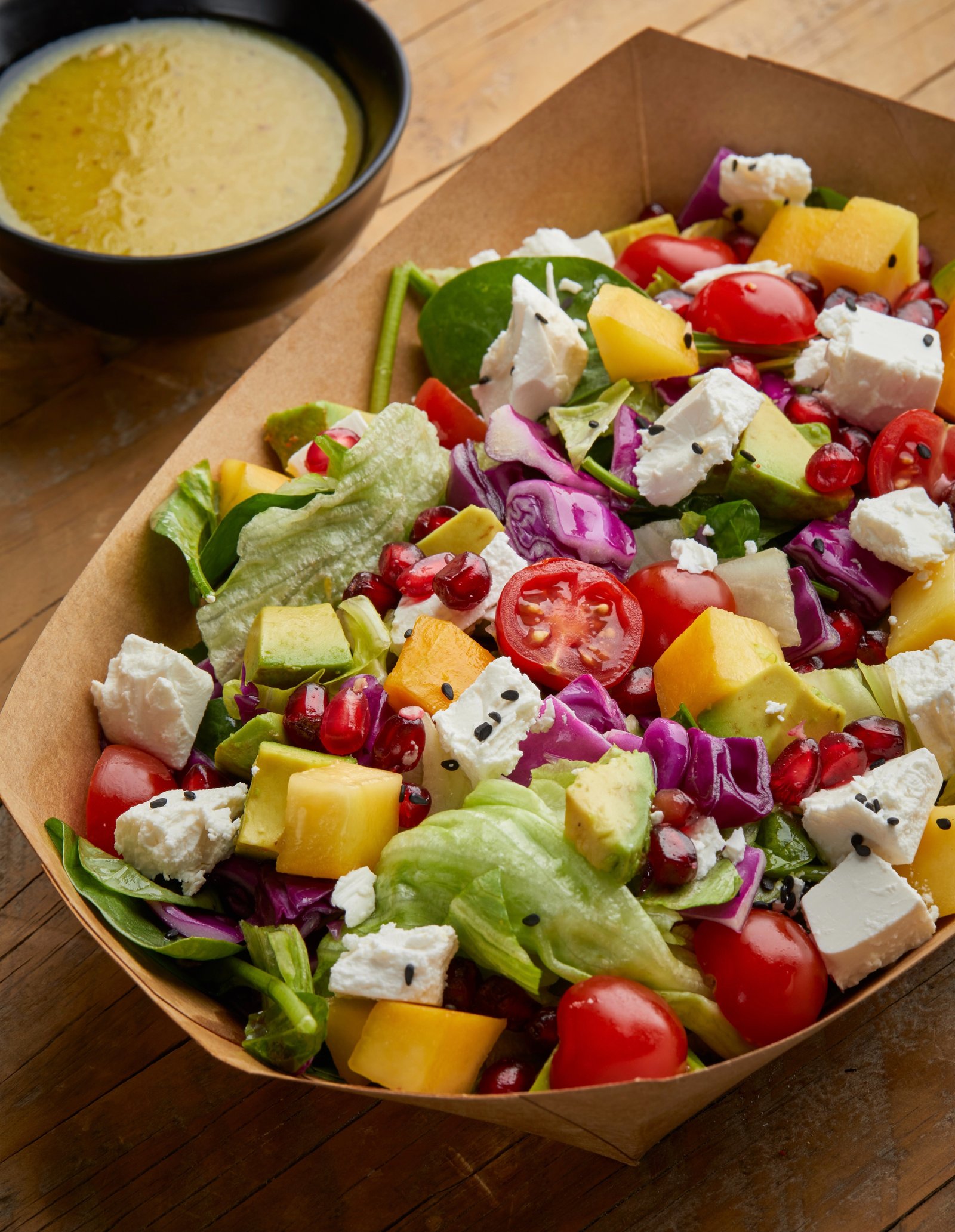
Introduction: When it comes to children's nutrition, variety is key. One excellent way to ensure children receive a wide range of essential nutrients is by incorporating a colorful array of fruits and vegetables into their diet. These nutrient-rich foods not only provide vital vitamins and minerals but also appeal to children's senses with their vibrant hues. In this article, we will explore the importance of colorful foods and some delicious options to include in your child's diet to support their overall health and development. The Importance of Colors in Nutrient Foods: Colors in fruits and vegetables are not just for aesthetical purposes; they also indicate specific nutrients. Each color provides different health benefits, and by including a variety of colors, you can ensure that your child receives a diverse range of essential vitamins, minerals, antioxidants, and fiber. Therefore, it is crucial to introduce a rainbow of food colors on your child's plate. The Rainbow of Nutrient Foods: 1. Red: - Strawberries: Delicious and packed with vitamin C, folate, and fiber, strawberries make a perfect snack or addition to smoothies. - Tomatoes: Rich in nutrients like lycopene, vitamin C, and potassium, tomatoes offer numerous health benefits while enhancing the taste of salads, pasta sauces, and more. 2. Orange: - Carrots: Crunchy and sweet, carrots are full of beta-carotene (vitamin A precursor) known for its role in maintaining healthy vision and boosting the immune system. - Oranges: Bursting with vitamin C, oranges are not only refreshing but also support the immune system and promote healthy skin. 3. Yellow: - Bananas: This kid-friendly fruit is not only a good source of potassium, but it also provides vitamin B6, dietary fiber, and natural sugars for a sustained energy boost. - Pineapples: Known for their tropical flavor, pineapples are an excellent source of vitamin C and the enzyme bromelain, which aids digestion. 4. Green: - Spinach: Packed with iron, calcium, folate, and vitamin K, spinach is a nutrient powerhouse that can be incorporated into various dishes, such as smoothies, salads, and pasta sauces. - Broccoli: Rich in vitamins A, C, and K, as well as fiber, broccoli is a versatile vegetable that can be steamed, roasted, or stir-fried to maintain its nutritional value. 5. Blue/Purple: - Blueberries: These tiny berries are full of antioxidants, anthocyanins, and vitamin C, which contribute to brain health and support the immune system. - Eggplant: This unique vegetable is low in calories and high in fiber, making it a nutritious addition to stews, curries, and grilled dishes. Conclusion: By introducing a variety of colorful nutrient foods into your child's diet, you not only make their meals visually appealing but also provide them with an abundance of essential vitamins, minerals, and antioxidants. Experiment with different fruits and vegetables, and involve your child in the process to make it more enjoyable. Remember, a balanced and diverse diet is the key to nurturing their overall health and development. So, let's embrace the colors of nature and bring the rainbow of nutrient foods to our children's plates! For expert commentary, delve into http://www.colorsshow.com For an alternative viewpoint, explore http://www.childnut.com For a closer look, don't forget to read http://www.eatnaturals.com Want to know more? Don't forget to read: http://www.mimidate.com
Leave a Comment:
SEARCH
Recent News
- Zurich, Switzerland is known for its multicultural atmosphere and diverse culinary scene. One of the lesser-known gems of Zurich's food scene is Sudanese cuisine. Sudanese cuisine is a reflection of the country's diverse cultural influences, blending Arabic, African, and Mediterranean flavors to create a unique and delicious culinary experience.
- Zurich, Switzerland: A Culinary Journey through Regional Cuisine
- Zurich, Switzerland is known for its stunning landscapes, rich history, and vibrant culture. However, another aspect of Zurich that shouldn't be overlooked is its diverse and delicious fast food scene. From traditional Swiss street food to international favorites, there is something to satisfy every craving in Zurich. Let's take a closer look at some of the popular fast food options you can find in this picturesque city.
- Zurich, Switzerland is known for its stunning natural beauty, vibrant arts scene, and strong economy. However, what many people may not know is that this dynamic city also offers a diverse culinary experience that includes delicacies from around the world. One such cuisine that has found a home in Zurich is Philippine cuisine.
- Zurich, Switzerland is known for its picturesque views, stunning architecture, and vibrant cultural scene. Located in the heart of Europe, Zurich offers a mix of traditional Swiss cuisine and international flavors. One particular cuisine that has been making waves in Zurich is Paraguayan cuisine.
- Zurich, Switzerland is a city known for its stunning views, picturesque streets, and vibrant culture. It is also a melting pot of diverse culinary influences, with a wide range of cuisines to choose from. One such cuisine that has made its mark in Zurich is Norwegian cuisine.
- Zurich, Switzerland, and Montreal, Canada, are two vibrant cities known for their distinct cultural characteristics. While Zurich is renowned for its picturesque landscapes, rich history, and high standard of living, Montreal is famous for its diverse population, vibrant arts scene, and mouth-watering cuisine. In this blog post, we will delve into the delectable culinary offerings of Montreal and explore how its unique food scene sets it apart from the culinary landscape of Zurich.
- Zurich, Switzerland is a vibrant city known for its stunning architecture, picturesque landscapes, and diverse culinary scene. While Swiss cuisine certainly holds a special place in the hearts of many locals and visitors, the city also boasts a variety of international dining options, including Latin American food.
READ MORE
5 months ago Category : deleci

Zurich, Switzerland is known for its multicultural atmosphere and diverse culinary scene. One of the lesser-known gems of Zurich's food scene is Sudanese cuisine. Sudanese cuisine is a reflection of the country's diverse cultural influences, blending Arabic, African, and Mediterranean flavors to create a unique and delicious culinary experience.
Read More →5 months ago Category : deleci

Zurich, Switzerland: A Culinary Journey through Regional Cuisine
Read More →5 months ago Category : deleci

Zurich, Switzerland is known for its stunning landscapes, rich history, and vibrant culture. However, another aspect of Zurich that shouldn't be overlooked is its diverse and delicious fast food scene. From traditional Swiss street food to international favorites, there is something to satisfy every craving in Zurich. Let's take a closer look at some of the popular fast food options you can find in this picturesque city.
Read More →5 months ago Category : deleci
