The Nutritional Powerhouses of Arab Superfoods
Category : deleci | Sub Category : deleci Posted on 2023-10-30 21:24:53
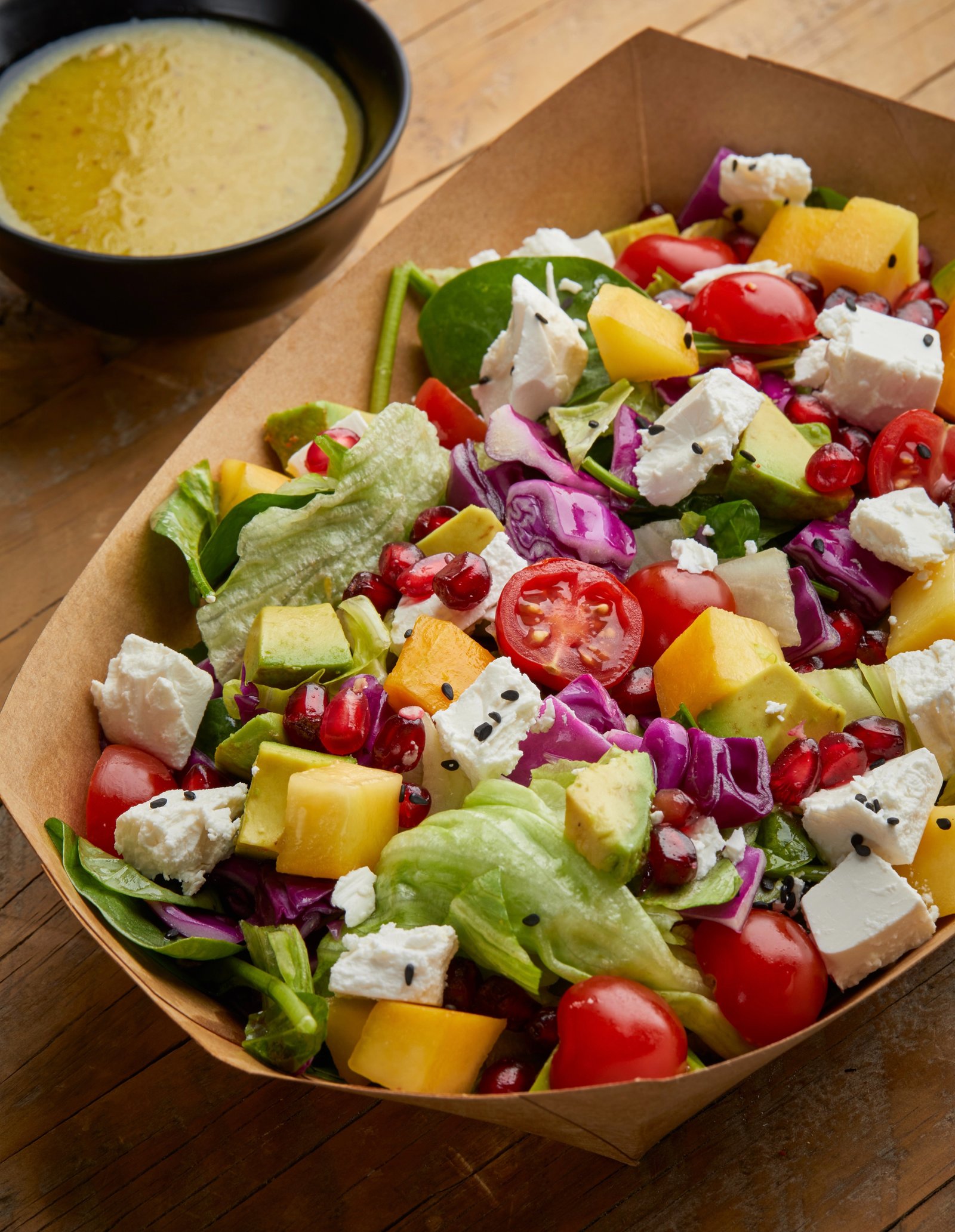
Introduction: In recent years, the popularity of superfoods has surged as more people embrace the notion of incorporating nutrient-dense foods into their diets. While many superfoods hail from far-flung corners of the globe, the Arab world is a treasure trove of its own unique superfoods. From ancient grains to exotic herbs, Arab cuisine boasts an array of ingredients that pack a nutritional punch. In this blog post, we will explore some of the top Arab superfoods and discover why they are deserving of a spot on your plate. 1. Dates: Known as the "fruit of the desert," dates hold a special place in Arab culture and cuisine. These naturally sweet treats are rich in dietary fiber, potassium, and magnesium. They are also a great source of antioxidants, which help fight inflammation and protect against chronic diseases. Dates can be enjoyed on their own, or incorporated into a variety of dishes, both sweet and savory. 2. Lentils: Lentils are a staple in Arab cuisine, with their versatility and health benefits making them an essential part of many traditional recipes. These legumes are an excellent source of plant-based protein, fiber, iron, and folate. They are known for their ability to regulate blood sugar levels, promote heart health, and aid in digestion. Lentils can be used in soups, stews, salads, and even vegetarian burger patties. 3. Za'atar: Za'atar is a fragrant herb blend that is popular in Arab cuisine. This traditional mixture typically consists of dried thyme, sumac, sesame seeds, and other herbs. Za'atar is a rich source of antioxidants and has antimicrobial properties. It is also believed to improve cognitive function and boost the immune system. Za'atar can be used as a seasoning for meats, vegetables, or sprinkled on top of bread and dips. 4. Quinoa: Although not originally from the Arab world, quinoa has gained popularity and is now widely consumed in the region. This ancient grain is a complete protein, meaning it contains all essential amino acids required by the body. It is also high in fiber, magnesium, and iron. Quinoa can be used as a base for salads, added to soups, or as a substitute for rice or couscous in various dishes. 5. Pomegranates: Pomegranates have a long history in Arab culture and are cherished for their unique flavor and health benefits. These vibrant fruits are packed with antioxidants, vitamin C, and fiber. They are known for their anti-inflammatory properties, promote heart health, and may even help combat certain types of cancer. Pomegranates can be enjoyed on their own, juiced, or used as an ingredient in salads, desserts, and marinades. Conclusion: From dates to za'atar, lentils to pomegranates, Arab superfoods offer a diverse range of flavors and nutritional benefits. Incorporating these powerhouse ingredients into your diet can provide a wide array of vitamins, minerals, and antioxidants that are essential for your well-being. Whether you are looking to enhance your overall health, manage weight, or simply explore new and exciting flavors, Arab superfoods are a delicious and nutritious addition to any culinary repertoire. So, don't miss out on the opportunity to experience the flavors and health benefits of these amazing ingredients. Start incorporating Arab superfoods into your meals today! For a comprehensive overview, don't miss: http://www.onlinebanat.com Want to learn more? Start with: http://www.eatnaturals.com Want to gain insights? Start with http://www.mimidate.com
Leave a Comment:
SEARCH
Recent News
- Zurich, Switzerland is known for its multicultural atmosphere and diverse culinary scene. One of the lesser-known gems of Zurich's food scene is Sudanese cuisine. Sudanese cuisine is a reflection of the country's diverse cultural influences, blending Arabic, African, and Mediterranean flavors to create a unique and delicious culinary experience.
- Zurich, Switzerland: A Culinary Journey through Regional Cuisine
- Zurich, Switzerland is known for its stunning landscapes, rich history, and vibrant culture. However, another aspect of Zurich that shouldn't be overlooked is its diverse and delicious fast food scene. From traditional Swiss street food to international favorites, there is something to satisfy every craving in Zurich. Let's take a closer look at some of the popular fast food options you can find in this picturesque city.
- Zurich, Switzerland is known for its stunning natural beauty, vibrant arts scene, and strong economy. However, what many people may not know is that this dynamic city also offers a diverse culinary experience that includes delicacies from around the world. One such cuisine that has found a home in Zurich is Philippine cuisine.
- Zurich, Switzerland is known for its picturesque views, stunning architecture, and vibrant cultural scene. Located in the heart of Europe, Zurich offers a mix of traditional Swiss cuisine and international flavors. One particular cuisine that has been making waves in Zurich is Paraguayan cuisine.
- Zurich, Switzerland is a city known for its stunning views, picturesque streets, and vibrant culture. It is also a melting pot of diverse culinary influences, with a wide range of cuisines to choose from. One such cuisine that has made its mark in Zurich is Norwegian cuisine.
- Zurich, Switzerland, and Montreal, Canada, are two vibrant cities known for their distinct cultural characteristics. While Zurich is renowned for its picturesque landscapes, rich history, and high standard of living, Montreal is famous for its diverse population, vibrant arts scene, and mouth-watering cuisine. In this blog post, we will delve into the delectable culinary offerings of Montreal and explore how its unique food scene sets it apart from the culinary landscape of Zurich.
- Zurich, Switzerland is a vibrant city known for its stunning architecture, picturesque landscapes, and diverse culinary scene. While Swiss cuisine certainly holds a special place in the hearts of many locals and visitors, the city also boasts a variety of international dining options, including Latin American food.
READ MORE
10 months ago Category : deleci

Zurich, Switzerland is known for its multicultural atmosphere and diverse culinary scene. One of the lesser-known gems of Zurich's food scene is Sudanese cuisine. Sudanese cuisine is a reflection of the country's diverse cultural influences, blending Arabic, African, and Mediterranean flavors to create a unique and delicious culinary experience.
Read More →10 months ago Category : deleci

Zurich, Switzerland: A Culinary Journey through Regional Cuisine
Read More →10 months ago Category : deleci

Zurich, Switzerland is known for its stunning landscapes, rich history, and vibrant culture. However, another aspect of Zurich that shouldn't be overlooked is its diverse and delicious fast food scene. From traditional Swiss street food to international favorites, there is something to satisfy every craving in Zurich. Let's take a closer look at some of the popular fast food options you can find in this picturesque city.
Read More →10 months ago Category : deleci
