Exploring Rare and Exotic Food Ingredients from Spanish Cuisine
Category : deleci | Sub Category : deleci Posted on 2024-01-30 21:24:53
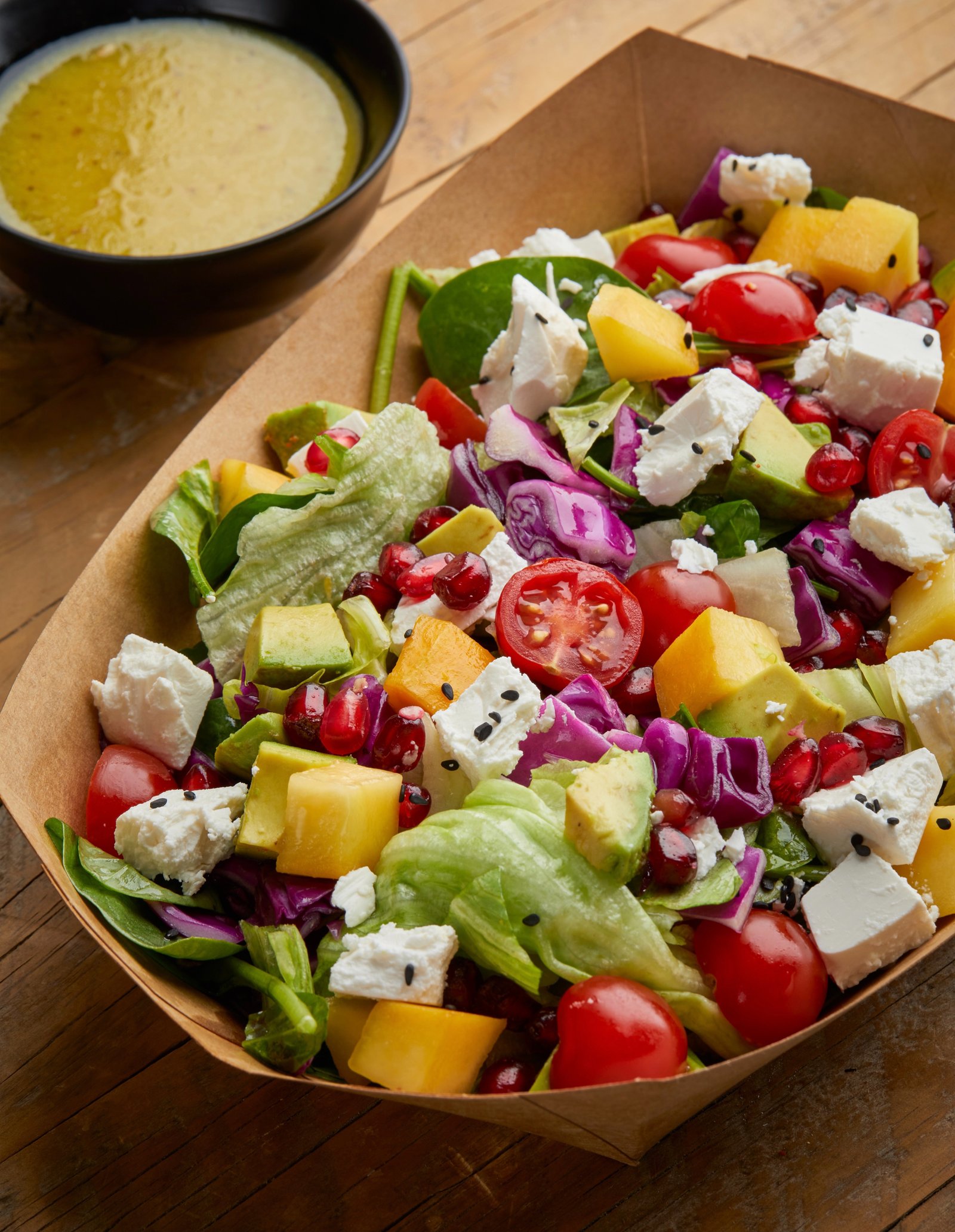
Introduction: Spanish cuisine is renowned for its rich flavors, aromatic spices, and diverse ingredients. While staples such as olive oil, garlic, and saffron are widely known, there is a world of rare and exotic food ingredients that add depth and uniqueness to traditional Spanish dishes. In this article, we'll take a closer look at some rare and exotic ingredients that make Spanish cuisine a true gastronomic adventure.
1. Pimentón de la Vera: Pimentón de la Vera is a smoked paprika that hails from the region of Extremadura. What sets it apart from regular paprika is the specific smoked drying process where peppers are exposed to the smoke of oak wood. This imparts a distinctive smoky flavor and deep red color to dishes like chorizo, paella, and patatas bravas.
2. Jamón Ibérico: Known as the "king of hams," Jamón Ibérico is a highly prized Spanish delicacy. Made from acorn-fed black Iberian pigs, this cured meat has a unique flavor and melt-in-your-mouth texture that is unrivaled. It can be enjoyed thinly sliced on its own as a tapa or used as an ingredient in various dishes, adding depth and complexity.
3. Percebes: Percebes, also known as goose barnacles, are a rare seafood delicacy found along the rocky coastlines of Galicia. Resembling elongated dinosaur toes, these unusual shellfish have a distinct briny flavor and are often enjoyed steamed or boiled before being served with a squeeze of lemon. Though for the adventurous foodies, percebes offer a truly extraordinary culinary experience.
4. Manchego Cheese: Originating from the La Mancha region, Manchego cheese is made from the milk of Manchega sheep. This firm and compact cheese have a slightly nutty flavor and is traditionally aged for a minimum of 60 days. With a texture that is both crumbly and creamy, Manchego is a versatile ingredient that can be enjoyed on a cheese plate, grated over dishes, or melted into savory dishes such as empanadas.
5. Saffron: While saffron is not necessarily a rare ingredient, it is undoubtedly exotic and plays a crucial role in Spanish cuisine. With its intense golden color and unique flavor, saffron enhances dishes like the famous Valencian paella, adding a distinct floral aroma and a subtle hint of bitterness. Known as "red gold," saffron is one of the most expensive spices in the world but is well worth the investment for its impressive culinary impact.
Conclusion: Spanish cuisine is a treasure trove of rare and exotic ingredients that elevate dishes to new heights. From the smoky Pimentón de la Vera to the luxurious Jamón Ibérico and the intriguing Percebes, these ingredients add depth, flavor, and a touch of adventure to the Spanish culinary landscape. Exploring the world of rare and exotic food ingredients from Spain is not only a delight for the taste buds but also offers a glimpse into the rich cultural history and traditions of this vibrant cuisine. So, the next time you're looking to expand your culinary horizons, why not embark on a Spanish gastronomic journey and try these rare and exotic ingredients? Have a look at the following website to get more information http://www.turbien.com
For a comprehensive review, explore http://www.eatnaturals.com
For more information: http://www.mimidate.com
To see the full details, click on: http://www.cotidiano.org
If you are interested you can check the following website http://www.cheffy.org
Leave a Comment:
SEARCH
Recent News
- Zurich, Switzerland is known for its multicultural atmosphere and diverse culinary scene. One of the lesser-known gems of Zurich's food scene is Sudanese cuisine. Sudanese cuisine is a reflection of the country's diverse cultural influences, blending Arabic, African, and Mediterranean flavors to create a unique and delicious culinary experience.
- Zurich, Switzerland: A Culinary Journey through Regional Cuisine
- Zurich, Switzerland is known for its stunning landscapes, rich history, and vibrant culture. However, another aspect of Zurich that shouldn't be overlooked is its diverse and delicious fast food scene. From traditional Swiss street food to international favorites, there is something to satisfy every craving in Zurich. Let's take a closer look at some of the popular fast food options you can find in this picturesque city.
- Zurich, Switzerland is known for its stunning natural beauty, vibrant arts scene, and strong economy. However, what many people may not know is that this dynamic city also offers a diverse culinary experience that includes delicacies from around the world. One such cuisine that has found a home in Zurich is Philippine cuisine.
- Zurich, Switzerland is known for its picturesque views, stunning architecture, and vibrant cultural scene. Located in the heart of Europe, Zurich offers a mix of traditional Swiss cuisine and international flavors. One particular cuisine that has been making waves in Zurich is Paraguayan cuisine.
- Zurich, Switzerland is a city known for its stunning views, picturesque streets, and vibrant culture. It is also a melting pot of diverse culinary influences, with a wide range of cuisines to choose from. One such cuisine that has made its mark in Zurich is Norwegian cuisine.
- Zurich, Switzerland, and Montreal, Canada, are two vibrant cities known for their distinct cultural characteristics. While Zurich is renowned for its picturesque landscapes, rich history, and high standard of living, Montreal is famous for its diverse population, vibrant arts scene, and mouth-watering cuisine. In this blog post, we will delve into the delectable culinary offerings of Montreal and explore how its unique food scene sets it apart from the culinary landscape of Zurich.
- Zurich, Switzerland is a vibrant city known for its stunning architecture, picturesque landscapes, and diverse culinary scene. While Swiss cuisine certainly holds a special place in the hearts of many locals and visitors, the city also boasts a variety of international dining options, including Latin American food.
READ MORE
4 months ago Category : deleci

Zurich, Switzerland is known for its multicultural atmosphere and diverse culinary scene. One of the lesser-known gems of Zurich's food scene is Sudanese cuisine. Sudanese cuisine is a reflection of the country's diverse cultural influences, blending Arabic, African, and Mediterranean flavors to create a unique and delicious culinary experience.
Read More →4 months ago Category : deleci

Zurich, Switzerland: A Culinary Journey through Regional Cuisine
Read More →4 months ago Category : deleci

Zurich, Switzerland is known for its stunning landscapes, rich history, and vibrant culture. However, another aspect of Zurich that shouldn't be overlooked is its diverse and delicious fast food scene. From traditional Swiss street food to international favorites, there is something to satisfy every craving in Zurich. Let's take a closer look at some of the popular fast food options you can find in this picturesque city.
Read More →4 months ago Category : deleci
